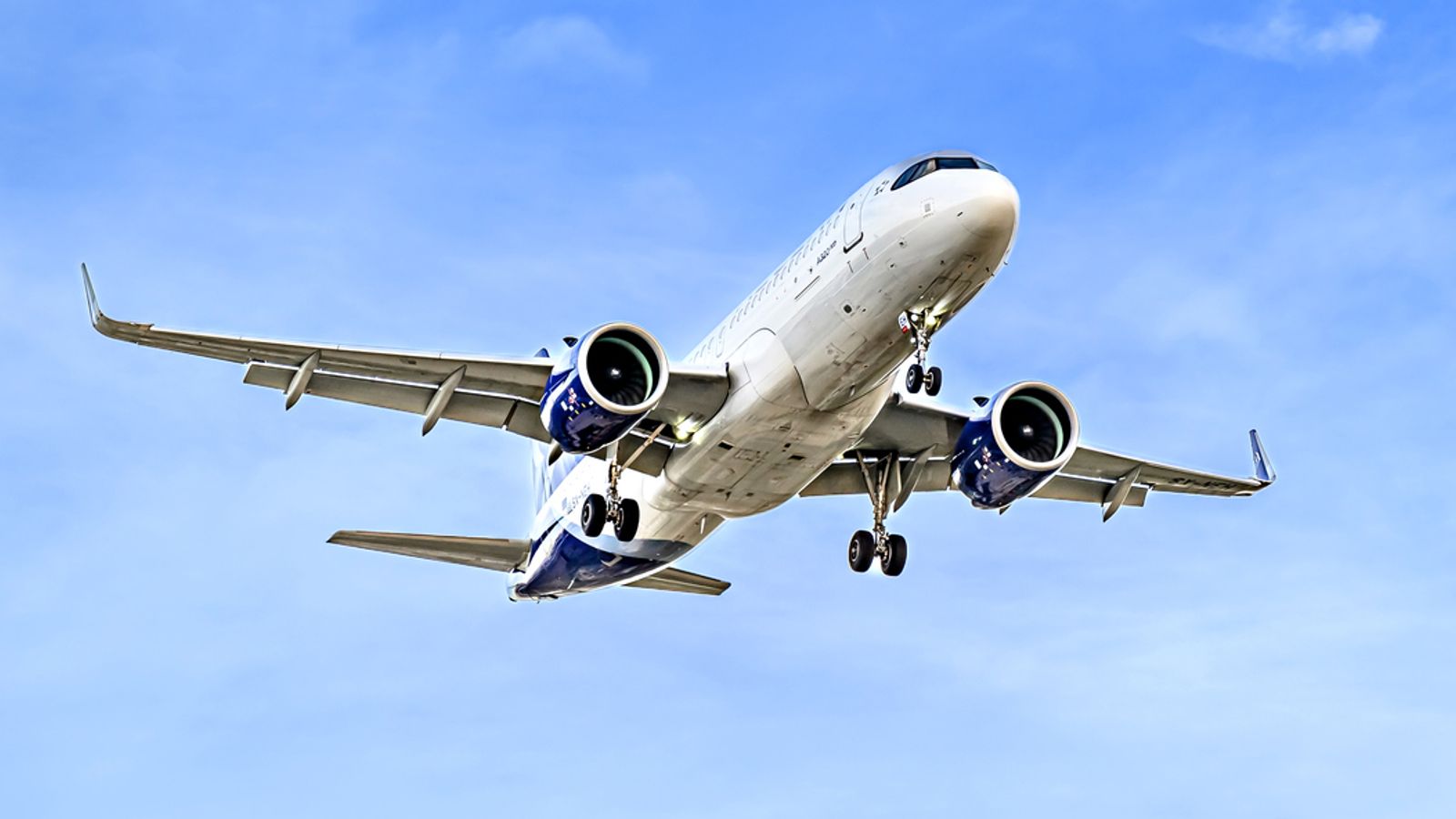
Airbus fleets have returned to normal operations after a software issue that could have affected flight controls was fixed faster than expected.
The manufacturer issued an alert about the problem affecting the A320 family of aircraft on Friday after analysis of a flight involving an A320 showed “intense solar radiation may corrupt data critical to the functioning of flight controls”.
Dozens of airlines said they had carried out the snap software retrofit over the weekend, with Airbus confirming on Monday the “vast majority” of around 6,000 of its A320 fleet affected by the software issue had been modified.
“We are working with our airline customers to support the modification of less than 100 remaining aircraft to ensure they can be returned to service,” Airbus said.
“Airbus apologises for any challenges and delays caused to passengers and airlines by this event.”
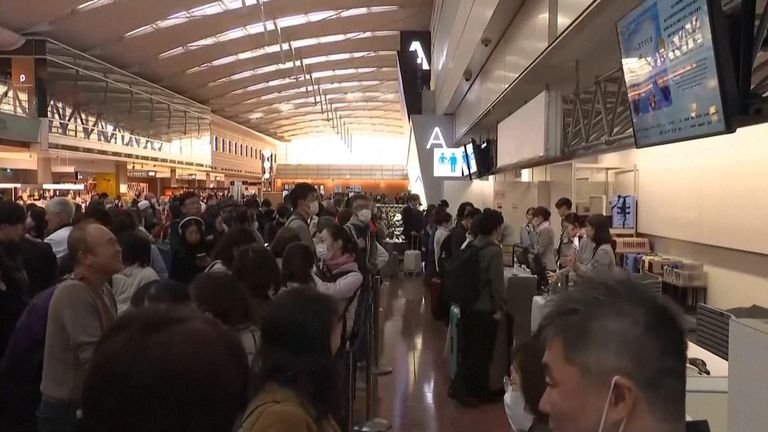
Passengers held up at Haneda Airport, Tokyo. Pic: AP/NTV
Meanwhile, the manufacturer discovered an industrial quality issue affecting fuselage panels of several dozen A320-family aircraft, leading to a delay of some deliveries, industry sources said on Monday. There are said to be no indications the suspected production flaw has reached aircraft in service.
The incident that triggered the software warning involved a JetBlue A320 plane flying from Cancun, Mexico, to Newark in the US on 30 October.
That flight was diverted to Tampa International Airport after it suffered a flight control issue and experienced a sharp loss of altitude, which injured at least 15 passengers. “Intense solar radiation” is suspected of contributing to the flight’s sudden drop in altitude.
America’s aviation watchdog issued an emergency order to immediately replace or modify the software, mirroring one from the European Union Aviation Safety Agency.
Airbus is understood to have traced the issue to the ELAC (Elevator and Aileron Computer) system, which sends commands to elevators on the plane’s tail. These in turn control the aircraft’s pitch or nose angle.
The fix involves A320 aircraft reverting to an earlier software version and Airbus stressed it would only take two to three hours for most planes.
However, some jets will also need new hardware and therefore will be affected for longer, it said.
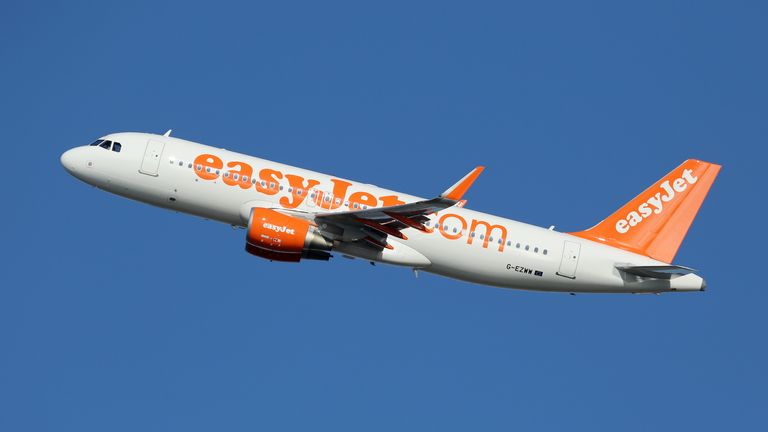
British airline easyJet said it updated all its Airbus A320 planes over the weekend. Pic: iStock
Travellers experienced disruption over the weekend, as airlines cancelled flights to fix the issue.
Disruption continues on Monday as JetBlue said it would cancel 20 flights as it worked to return 137 of 150 A320s to service, while Colombia’s Avianca Airlines said it would continue to halt bookings for dates until 8 December.
But several airlines revised down estimates of the number of planes impacted and of the time needed for the software tweak, fixing their aircraft sooner than anticipated.
Airlines easyJet and Wizz Air said on Monday they had completed the updates over the weekend without cancelling any flights.
Read more:
Software issue impacts Airbus plans
Which airlines are affected by disruption?
Airbus, which is registered in the Netherlands but has its main headquarters in France, is one of the world’s biggest aeroplane manufacturers, alongside Boeing.
The A320 is the world’s bestselling single-aisle aircraft family, according to the Airbus website.
The A320 was first launched in 1984 and is the main competitor to the Boeing 737 MAX, which was grounded worldwide between March 2019 and December 2020, as well as during January 2024, after fatal crashes in 2018 and 2019 caused by faulty flight-control software.